Raspberry Pi 500+ made to look like a BBC Micro PC • The Register


An enterprising engineer has evoked the spirit of Acorn’s BBC Micro with a custom paintjob for a Raspberry Pi 500+ computer-in-a-keyboard and a natty set of replacement keycaps.
You’ve got a shiny new Raspberry Pi 500+. You’ve marveled at the colored lights on the keyboard, enjoyed the snappy performance of the SSD, and appreciated the 16 GB of RAM. Hopefully, you bought it before the prices went up. But what to do next?
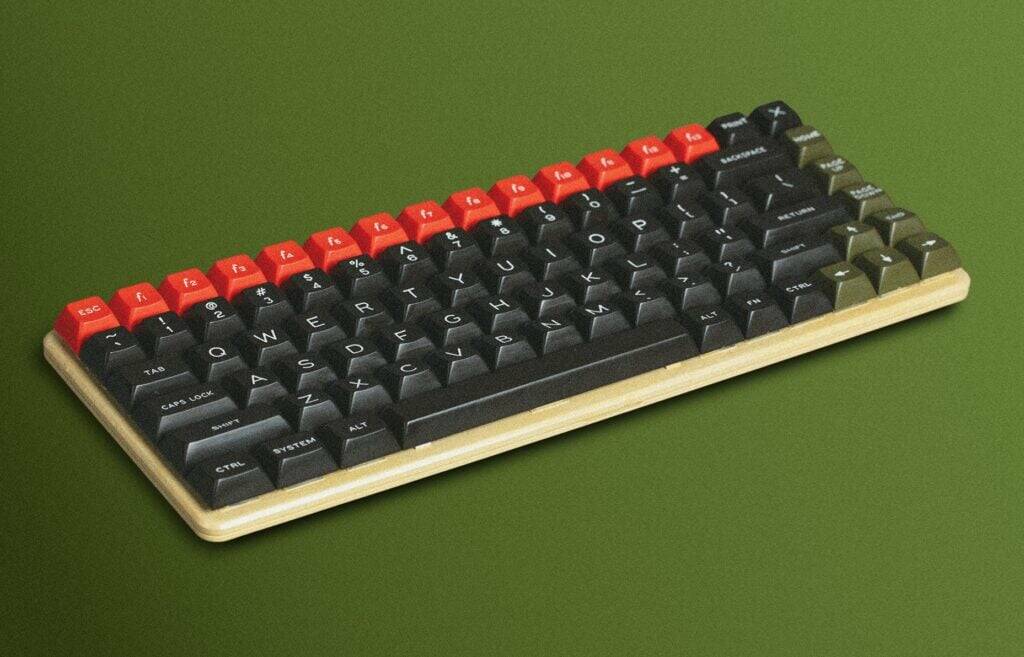
Raspberry Pi 500+ painted beige with BBC Micro-like keys (pic: Raspberry Pi) – Click to enlarge
According to Tony Roberts, who goes by the title of ‘Maker In Residence at Raspberry Pi’, he wanted to make the device look a bit like the BBC Microcomputer that inspired the company’s co-founder, Eben Upton.
BBC Micro emulators are nothing new (alongside emulators for other computers of the same era), and several enthusiasts have breathed new life into defunct devices by removing the long-dead internals and replacing them with a Pi or similar device. This writer attempted something akin with an old Texas Instruments 99/4a, but was defeated by a combination of making the keyboard talk to the Pi via an Arduino and some catastrophically bad soldering.
However, since the Pi 500+ is already a computer-in-a-keyboard, and the keys can be easily replaced (to the point where a tool is included to pry them off), Roberts’ approach was to give the computer a beige facelift and replace the keycaps with ones that resembled Acorn’s finest.
In a post on the company’s website, Roberts wrote, “Within minutes of starting the makeover, I discovered that beige spray paint is unsurprisingly not very popular anymore — especially this exact shade, which reminds me of nicotine-stained pub wallpaper.”
But, after dismantling the case (the Pi 500+ is designed to be taken apart), Roberts applied primer, a top coat, and had a base that, from a distance and with a bit of squinting, was roughly the same shade as the computers sat at the back of school classrooms all those decades ago.
The keycaps came from Signature Plastics, but since the Pi 500+ uses a standard keycap, there are plenty of options out there. Roberts selected one that comes remarkably close to the color and style of the original. However, we suspect a bit of software keymapping in the operating system is needed for some of them.
Considering the sheer number of computer-in-a-keyboard machines from the heyday of home computers, Roberts has demonstrated how easy it is to pull off a keyboard switcheroo and use a can of paint to evoke a strong sense of nostalgia (or is it just the paint fumes?). Sure, it’s a $260 investment (thanks to rising memory prices), but it’s also a neat way of showing off an IT origin story.
There’s no word on whether Raspberry Pi might put out a limited-edition run of Roberts’ creation to mark its own origin story. In the meantime, a bit of brushed metal and some Texas Instruments 99/4a keycaps would do nicely… ®